
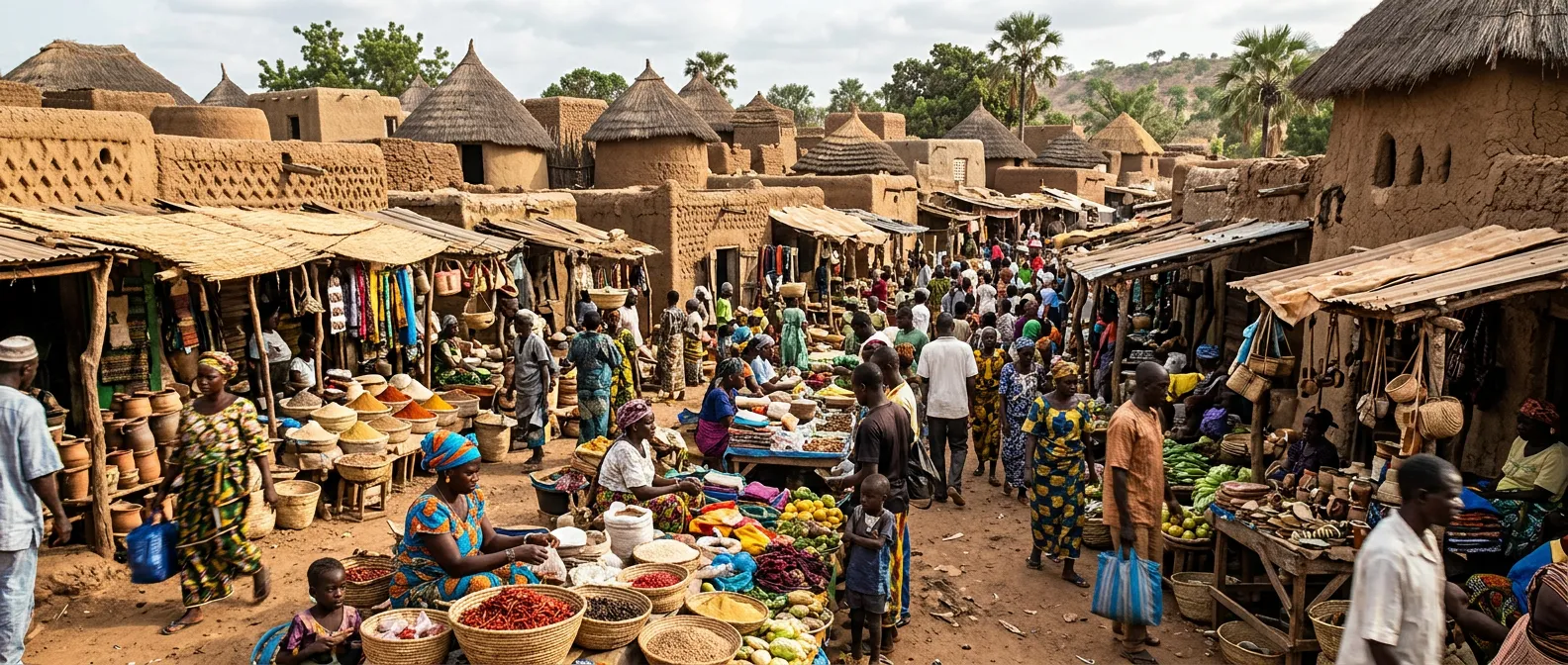
Traveling to Burkina Faso requires careful planning and a clear understanding of the current security landscape. This travel advisory covers government-issued warnings, regional security risks, entry requirements, health precautions, and practical safety tips for anyone considering a trip to this West African nation. Whether you are a tourist, business traveler, or humanitarian worker, this guide provides the essential information you need before departure.
Current Security Situation in Burkina Faso
Burkina Faso faces significant security challenges, particularly in its northern and eastern regions. Since 2015, armed groups linked to extremist organizations have carried out attacks across large parts of the country. The transitional government, which took power following the 2022 military coup, continues to address these threats with joint military operations alongside regional partners.
Key security concerns include:
- Armed group activity – Extremist organizations operate in the Sahel, Centre-Nord, Est, and Boucle du Mouhoun regions
- Banditry and kidnapping – Criminal groups target travelers on rural roads, especially near border areas
- Civil unrest – Sporadic protests and political tensions can erupt in Ouagadougou and other urban centers
- Landmines and improvised explosive devices (IEDs) – Present on rural roads in conflict-affected zones
The security situation can change rapidly. Travelers should monitor local media and follow instructions from local authorities at all times.
Government Travel Advisories
Multiple governments have issued travel advisories for Burkina Faso. These warnings reflect the severity of the security environment and should be reviewed carefully before making travel plans.
United States (State Department)
The U.S. Department of State has issued a Level 4: Do Not Travel advisory for Burkina Faso. The advisory cites terrorism, crime, and kidnapping as primary concerns. U.S. government employees face significant restrictions on movement within the country, and the U.S. Embassy in Ouagadougou has limited capacity to assist citizens in areas outside the capital.
United Kingdom (FCDO)
The UK Foreign, Commonwealth & Development Office (FCDO) advises against all travel to Burkina Faso. British nationals already in the country are urged to leave while commercial options remain available.
Canada (Global Affairs Canada)
Canada advises travelers to avoid all travel to Burkina Faso due to the threat of terrorism, kidnapping, and armed attacks. Canadians in the country should consider leaving by commercial means.
Australia (DFAT)
Australia advises travelers to do not travel to Burkina Faso, citing the dangerous and unpredictable security situation.
France (Ministry of Foreign Affairs)
France strongly advises against travel to Burkina Faso, with particular emphasis on the northern regions and areas bordering Mali and Niger.
Regional Risk Map
Security conditions vary significantly across Burkina Faso. Understanding regional differences helps travelers assess their risk exposure.
| Region | Risk Level | Key Concerns |
|---|---|---|
| Sahel (Oudalan, Soum, Seno) | Extreme | Active armed groups, frequent attacks |
| Est (Kompienga, Tapoa, Gourma) | Extreme | Militant activity, cross-border threats |
| Centre-Nord (Sanmatenga, Bam, Namentenga) | Extreme | Persistent insecurity, IEDs |
| Boucle du Mouhoun | Very High | Armed group presence, ambushes |
| Hauts-Bassins, Sud-Ouest | High | Growing instability near borders |
| Centre (Ouagadougou) | Moderate | Crime, occasional unrest |
| Plateau Central | Moderate to High | Spillover from northern conflict |
Ouagadougou is relatively safer than rural areas but remains subject to crime risks and the possibility of sudden security deterioration.
Entry Requirements and Visa Information
Despite the security challenges, Burkina Faso maintains its visa and entry requirements. Travelers must ensure all documentation is in order before arrival.
Visa Requirements
Most foreign nationals require a visa to enter Burkina Faso. The eVisa system allows eligible travelers to apply online before departure. Key requirements include:
- Valid passport with at least six months validity from the date of entry
- eVisa approval – Apply through the official online portal
- Proof of accommodation – Hotel reservation or invitation letter
- Return or onward ticket – Evidence of planned departure
- Yellow Fever vaccination certificate – Mandatory for all travelers
Border Crossings
Land border crossings with Mali and Niger are particularly dangerous due to militant activity in border regions. Some crossings may be closed or operate irregularly. Air travel via Ouagadougou International Airport (OUA) remains the safest entry point.
Customs Regulations
Travelers should be aware of local customs rules:
- Declare amounts exceeding CFA 25,000 (approximately 38 euros) in cash
- Photography of military installations, government buildings, and airports is prohibited
- Drug trafficking carries severe penalties, including lengthy prison sentences
Health and Medical Advisories
Burkina Faso presents several health risks that travelers must prepare for before arrival. Medical infrastructure outside Ouagadougou is limited, making prevention essential.
Required and Recommended Vaccinations
| Vaccine | Status | Notes |
|---|---|---|
| Yellow Fever | Required | Certificate checked at entry |
| Hepatitis A | Recommended | High risk throughout the country |
| Hepatitis B | Recommended | Risk from medical procedures, contact |
| Typhoid | Recommended | Contaminated food and water risk |
| Meningococcal Meningitis | Recommended | Sahel belt risk, especially dry season |
| Rabies | Recommended | Limited access to post-exposure treatment |
| Routine Vaccinations | Recommended | Ensure measles, tetanus, polio are current |
Malaria
Malaria is endemic throughout Burkina Faso and poses a serious health risk year-round. Travelers should:
- Take antimalarial medication as prescribed by a travel health professional
- Use insect repellent containing DEET
- Sleep under insecticide-treated bed nets
- Seek immediate medical attention for fever during or after travel
Other Health Concerns
- Water safety – Drink only bottled or treated water; avoid ice in drinks
- Food hygiene – Eat thoroughly cooked food from reputable sources
- Schistosomiasis – Avoid swimming in fresh water lakes and rivers
- Extreme heat – Temperatures regularly exceed 40 degrees Celsius (104 degrees Fahrenheit) from March to May
Safety Tips for Travelers in Burkina Faso
If you must travel to Burkina Faso, these practical precautions can reduce your risk exposure.
Before You Go
- Register with your country’s embassy or consular services in Ouagadougou
- Purchase comprehensive travel insurance that covers medical evacuation
- Share your itinerary with family or colleagues at home
- Make copies of your passport, visa, and important documents
- Research current conditions through reliable sources
During Your Stay
- Avoid travel after dark, especially outside Ouagadougou
- Do not travel to northern, eastern, or border regions without expert security assessment
- Keep a low profile and avoid large gatherings or demonstrations
- Use reputable transport services rather than informal taxis
- Carry identification at all times but keep originals in a secure location
- Maintain communication with your embassy and check in regularly
Emergency Contacts
| Service | Number |
|---|---|
| Police | 17 |
| Fire / Ambulance | 18 |
| Gendarmerie | 112 |
| U.S. Embassy Ouagadougou | +226 25 49 53 00 |
| UK Emergency (from abroad) | +44 20 7008 5000 |
Kidnapping and Crime Risks
Kidnapping for ransom remains a genuine threat in Burkina Faso, particularly in regions bordering Mali and Niger. Both extremist groups and criminal networks have carried out abductions of foreign nationals and local residents. Western travelers are considered high-value targets.
Street crime in Ouagadougou includes armed robbery, carjacking, and petty theft. Incidents increase after dark and in poorly lit areas. Travelers should avoid displaying signs of wealth, such as expensive jewelry, electronics, or large amounts of cash.
Transportation Safety
Getting around Burkina Faso carries its own set of risks that travelers should account for.
Road Travel
- Road conditions outside Ouagadougou are often poor, with unpaved and unmaintained routes
- IEDs and landmines are present on roads in conflict-affected regions
- Traffic accidents are a leading cause of death for travelers in West Africa
- Avoid driving at night due to poor visibility, livestock on roads, and banditry risk
- Use four-wheel-drive vehicles for travel outside the capital
Air Travel
Ouagadougou International Airport (OUA) is the main gateway. Domestic flights are limited. Air Burkina and other regional carriers operate flights to neighboring countries. International flights connect through Abidjan, Casablanca, Addis Ababa, and Paris.
Communications and Connectivity
Mobile phone coverage is available in Ouagadougou and major towns but can be unreliable in rural and conflict-affected areas. Internet access is available through local SIM cards and hotel Wi-Fi, though speeds are generally slow.
Travelers should:
- Purchase a local SIM card from Orange, Moov, or Telecel for mobile data and calls
- Download offline maps before arrival
- Keep emergency contacts saved on your phone and written down separately
- Inform your mobile carrier of your travel plans to ensure roaming access
Best Time to Visit
If travel is unavoidable, timing can affect your experience. Burkina Faso has three main seasons:
- November to February – Cool, dry season with temperatures around 25-35 degrees Celsius. This is the most comfortable period for travel.
- March to May – Hot season with temperatures exceeding 40 degrees Celsius. Dust storms (harmattan) are common.
- June to October – Rainy season. Roads become impassable in rural areas, and malaria risk increases.
The FESPACO film festival (held biennially in February-March in Ouagadougou) and other cultural events attract international visitors but also increase the need for heightened security awareness.
Alternatives to Travel
Given the severity of the current travel advisories, consider whether your purpose for visiting Burkina Faso can be accomplished remotely. Business meetings, visa applications, and consular services can often be handled through digital channels or through Burkina Faso embassies in neighboring, more stable countries.
If your travel is essential – such as for humanitarian operations or diplomatic duties – ensure you have professional security support, emergency evacuation plans, and continuous monitoring of the local situation.
Frequently Asked Questions
Is it safe to travel to Burkina Faso right now?
Most Western governments advise against all travel to Burkina Faso due to terrorism, kidnapping, and armed conflict. The security situation remains volatile, and travelers face significant risks, particularly outside Ouagadougou.
Can I still get a visa for Burkina Faso?
Yes, the eVisa system remains operational. Eligible travelers can apply online. However, obtaining a visa does not mean travel is advisable or that your government will be able to assist you in an emergency.
What areas should I absolutely avoid?
The Sahel region, Est region, Centre-Nord, Boucle du Mouhoun, and all areas near the borders with Mali and Niger should be avoided entirely. These zones are active conflict areas with frequent extremist attacks.
Do I need travel insurance for Burkina Faso?
Comprehensive travel insurance with medical evacuation coverage is strongly recommended. Standard travel insurance policies may exclude coverage for high-risk destinations, so verify your policy covers Burkina Faso specifically.
Is Ouagadougou safe for tourists?
Ouagadougou is relatively safer than rural areas but still carries risks of crime and the possibility of sudden security events. Travelers should exercise increased caution, avoid large gatherings, and follow embassy guidance.
Conclusion
Burkina Faso is a country with rich cultural heritage and warm hospitality, but the current security environment makes travel extremely risky. Before planning any trip, review your government’s latest travel advisory, assess whether your travel is truly essential, and prepare thoroughly if you do proceed. Stay informed, stay cautious, and prioritize your safety above all else.